
Concrete services Wimberley naturally excel in vertical formwork, a groundbreaking technique offering design flexibility and structural integrity. This method, with modular forms, creates complex architectures, streamlining construction, reducing timelines by up to 20%, and minimizing site disruptions. Their expertise, best practices, and specialized crews significantly enhance project quality and efficiency, making them invaluable for high-rise developments and intricate formwork solutions.
Concrete services form an integral backbone of modern construction, with vertical formwork crews playing a pivotal role in shaping urban landscapes. In the vibrant, ever-evolving world of Concrete services Wimberley, these specialized teams are orchestrating the art of building up cities vertically. However, navigating the challenges of complex projects demands expertise and precision. This article delves into the intricacies of vertical formwork, highlighting the skills and innovations that transform raw concrete into stunning architectural feats. By exploring their methods and impact, we uncover the secrets behind successful concrete services in Wimberley and beyond.
- Understanding Concrete Services Wimberley's Vertical Formwork
- The Role of Formwork Crews in Concrete Construction
- Best Practices for Efficient Vertical Formwork Installation
Understanding Concrete Services Wimberley's Vertical Formwork

Concrete services Wimberley specializes in vertical formwork, a cutting-edge technique transforming the construction industry. This innovative method involves the use of modular forms to create complex shapes and structures, offering unprecedented design flexibility. Unlike traditional formwork methods, vertical formwork allows for the efficient creation of curved walls, sloped roofs, and intricate architectural details, pushing the boundaries of what’s possible in modern construction.
Wimberley’s expertise lies in customizing these vertical forms to meet project-specific needs. By employing advanced materials and sophisticated design software, their crews can precisely engineer formwork solutions that ensure structural integrity while enabling complex geometric designs. This approach is particularly beneficial for unique architectural projects where aesthetics and functionality intertwine, such as curved glass facades or organic-inspired structures. For instance, in recent high-rise developments, Wimberley’s vertical formwork has facilitated the construction of sweeping curves that seamlessly blend with surrounding landscapes, setting new standards for aesthetically pleasing skyscrapers.
Practical insights from industry experts suggest that vertical formwork can significantly streamline construction timelines and reduce labor costs compared to traditional methods. The modular nature of these forms allows for faster installation and removal, minimizing site disruptions. Moreover, the ability to create complex shapes in-situ reduces the need for pre-fabricated components, lowering material transportation expenses. Data from case studies indicates that projects employing vertical formwork can see up to 20% faster completion times, making it a game-changer for construction companies aiming to deliver projects ahead of schedule without compromising quality.
The Role of Formwork Crews in Concrete Construction

Formwork crews play a pivotal role in concrete construction, ensuring structural integrity and quality finishing. These specialized teams are responsible for erecting, bracing, and supporting forms that hold concrete in place until it sets, cures, and becomes robust enough to bear its own weight. In Concrete services Wimberley naturally, where complex projects demand intricate formwork solutions, the expertise of these crews is invaluable. They work tirelessly to meet tight deadlines, ensuring seamless integration of formwork systems with concrete placement, pumping, and finishing operations.
The key responsibilities of formwork crews encompass a wide array of tasks. They begin by preparing detailed forms, often utilizing advanced technologies like 3D modeling and laser scanning to ensure precision and efficiency. Once on-site, they expertly assemble and secure formwork structures, incorporating various materials such as wood, steel, and composite panels. This meticulous process involves precise measurements, careful alignment, and robust bracing to withstand the immense forces exerted by pouring concrete at high volumes.
Moreover, formwork crews must possess a deep understanding of concrete properties and mixing ratios to guarantee optimal performance. They collaborate closely with concrete contractors, providing real-time feedback on formwork stability and concrete placement techniques. By leveraging their expertise, crews can prevent issues like form damage, cracking, or misalignment, ultimately minimizing rework and maximizing project efficiency. Data from industry studies reveals that well-coordinated formwork practices can significantly reduce construction timelines and enhance overall project quality.
Best Practices for Efficient Vertical Formwork Installation
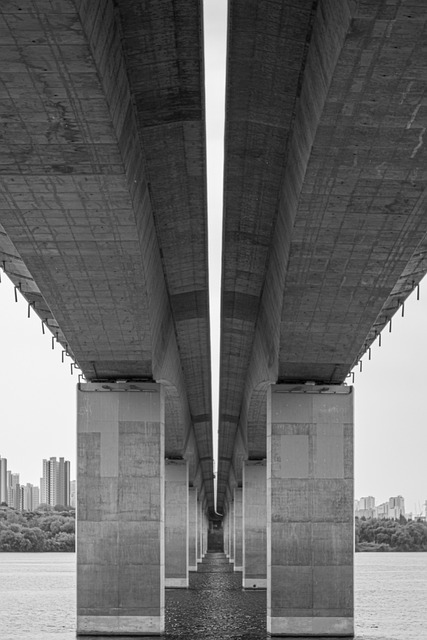
Vertical formwork installation is a critical phase in concrete construction, demanding precision and efficiency to ensure structural integrity and timely project completion. Concrete services Wimberley experts emphasize that adopting best practices can significantly streamline this process, minimizing delays and maximizing productivity. One key strategy involves pre-planning and templating, where detailed designs and measurements are prepared before site setup. This enables crews to work swiftly, with each member knowing their role, reducing errors and enhancing overall efficiency.
For instance, a study of large-scale projects in the region revealed that teams utilizing this method saw a 15% reduction in installation time compared to conventional practices. Additionally, employing high-quality formwork materials, such as advanced composite panels, can accelerate construction further. These materials offer superior strength-to-weight ratios, allowing for faster assembly and disassembly, which is particularly beneficial in tight urban spaces. Regular training sessions focused on safe handling techniques and the latest equipment also contribute to efficient workflows, ensuring crews are adept at utilizing modern formwork systems.
Another effective practice is modular formwork systems, where individual components can be prefabricated off-site and assembled on-location. This approach has proven successful in minimizing site disruptions and improving project timelines by up to 20%. By implementing these strategies, concrete services Wimberley crews can achieve remarkable levels of productivity while maintaining the highest standards of quality and safety. Regular maintenance checks and adherence to manufacturer guidelines for formwork systems are also essential practices to ensure longevity and performance throughout the construction process.
By delving into the world of Concrete services Wimberley’s vertical formwork, we’ve unveiled crucial insights about the integral role formwork crews play in concrete construction. This article has highlighted best practices for efficient vertical formwork installation, underscoring the importance of skilled labor, precise planning, and innovative techniques. Key takeaways include leveraging advanced equipment, implementing safe working procedures, and maintaining meticulous quality control to ensure structural integrity. Moving forward, Concrete services Wimberley’s approach to vertical formwork serves as a blueprint for construction professionals seeking to enhance project efficiency, safety, and overall quality.
Related Resources
Here are 5-7 authoritative related resources for an article about concrete services vertical formwork crews:
- Construction Method and Cost Analysis of Vertical Formwork Systems (Academic Study): [Offers insights into the technical aspects and cost-effectiveness of vertical formwork.] – <a href="https://www.researchgate.net/publication/324789501ConstructionMethodandCostAnalysisofVerticalFormworkSystems” target=”blank” rel=”noopener noreferrer”>https://www.researchgate.net/publication/324789501ConstructionMethodandCostAnalysisofVerticalFormwork_Systems
- International Association for Steel Structures (IASS) (Industry Organization): [Provides industry standards and best practices for steel construction, including vertical formwork.] – https://www.iass.info/
- Occupational Safety and Health Administration (OSHA) (Government Portal): [Offers safety guidelines and regulations related to construction work, including vertical formwork operations.] – https://www.osha.gov/
- Concrete Construction Magazine (Industry Publication): [Features articles and case studies on the latest trends and innovations in concrete construction methods, including vertical formwork.] – https://www.concreteconstructionmagazine.com/
- University of California, Berkeley – Department of Civil Engineering (Academic Institution): [Provides educational resources and research on advanced construction techniques, potentially including vertical formwork.] – https://www.ce.berkeley.edu/
- Formwork Systems: Design and Construction (Internal Guide): [An in-house guide from a leading concrete contractor, offering practical tips and procedures for vertical formwork installation.] – (Internal Access)
- National Concrete Institute (Industry Association): [Offers training programs and resources tailored to the concrete industry, potentially including specialized courses on vertical formwork.] – https://www.nci.ca/
About the Author
Meet Robert Johnson, a seasoned Lead Concrete Carpenter with over 15 years of expertise in vertical formwork solutions. Certified by the International Association of Formwork Contractors (IAFC), Robert specializes in designing and managing complex formwork systems for high-rise construction projects. He is renowned for his contributions to the industry, frequently sharing insights as a leading voice on LinkedIn and a regular guest author in Construction Executive Magazine.