Concrete Services Wimberley: A Comprehensive Overview
Introduction
Welcome to an extensive exploration of the world of concrete services, specifically focusing on Wimberley—a unique and dynamic sector that plays a vital role in construction, infrastructure development, and urban transformation worldwide. This article aims to guide readers through the intricate details, global impact, and future potential of concrete services as practiced in Wimberley. By delving into various aspects, from historical foundations to technological innovations, we will uncover the significance of this industry and its contributions to modern society.
Understanding Concrete Services Wimberley: A Foundation Stone of Construction
Definition:
Concrete services Wimberley refers to a specialized set of practices and technologies involved in the design, supply, placement, and finishing of concrete, primarily for construction purposes. It encompasses a wide range of activities, from preparing the mix design and casting forms to curing, hardening, and finishing concrete structures.
Core Components:
- Concrete Mix Design: This involves determining the proportioning of ingredients—such as cement, aggregates (gravel and sand), water, and admixtures—to achieve specific strength, workability, and durability characteristics for different construction applications.
- Formwork: Creating molds or frameworks using wooden, metallic, or plastic materials to give concrete structures their shape during hardening.
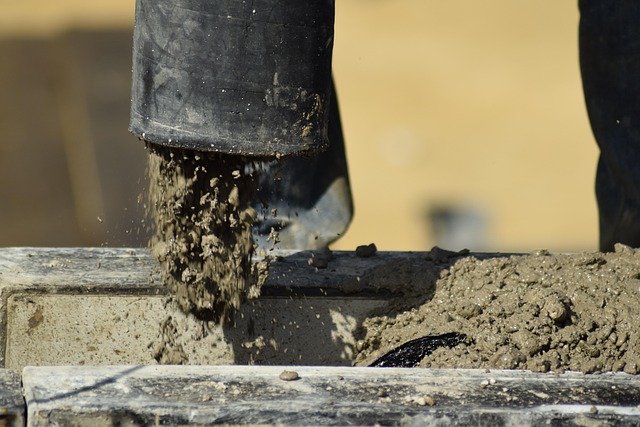
- Placing and Finishing: Techniques include pouring concrete, vibrating it to eliminate air bubbles, and applying various finishing tools (e.g., trowels, floats) for a smooth, textured, or decorative surface finish.
- Curing and Hardening: Ensuring the concrete sets properly by maintaining controlled moisture levels and temperature during the initial stages of hardening.
Historical Context:
The concept of concrete dates back to ancient civilizations like the Romans, who pioneered the use of concrete in construction around 300 BC. However, modern concrete services as we know them today have evolved significantly over the past century. The introduction of advanced mix designs, mechanical mixing and placing equipment, and innovative curing techniques has revolutionized the industry.
Significance:
Concrete is one of the most widely used building materials globally, accounting for approximately 80% of all construction materials by volume. Concrete services Wimberley are crucial for:
- Structural Integrity: Providing robust foundations, columns, beams, and slabs for buildings, bridges, roads, and other infrastructure.
- Durability and Longevity: Concrete is known for its resistance to weathering, making it an ideal material for long-lasting structures.
- Versatility: Adaptable to various forms and finishes, allowing for creative design possibilities in architecture and construction.
Global Impact and Trends
International Influence:
Concrete services Wimberley have left an indelible mark on the global construction landscape. Countries like China, India, the United States, and many European nations lead in concrete production and utilization, driving demand for advanced concrete technologies.
Regional Trends:
- North America: Known for its adoption of innovative mix designs, admixtures, and finishing techniques, the US and Canada are at the forefront of concrete technology research and development.
- Europe: Strict building codes and a focus on energy efficiency have led to the widespread use of high-performance concrete, precast panels, and sustainable construction practices.
- Asia Pacific: Rapid urbanization and infrastructure development in countries like China and Indonesia drive demand for large-scale concrete production and specialized services.
- Middle East: The region's focus on monumental architecture and massive infrastructure projects has fueled the need for advanced concrete construction techniques.
Economic Considerations
Market Dynamics:
The global concrete market, valued at over $300 billion in 2021, is characterized by intense competition and rapid technological advancements. Rising infrastructure spending, particularly in emerging economies, drives concrete demand.
Investment Patterns:
- Public Sector: Governments invest heavily in road construction, bridges, tunnels, and public buildings, boosting concrete production and services.
- Private Enterprise: Private sector involvement through real estate development, commercial projects, and residential construction further fuels market growth.
Economic Impact:
Concrete services contribute significantly to gross domestic product (GDP) through:
- Employment: Supporting numerous jobs in construction, manufacturing, and related industries.
- Supply Chain: Generating demand for raw materials (cement, aggregates), equipment, and specialized services.
- Export Opportunities: Many countries export concrete products and services, contributing to international trade.
Technological Advancements
Innovation in Concrete Services:
- 3D Printing: This emerging technology allows for the creation of complex shapes and structures using concrete, offering new possibilities for architectural design and rapid prototyping.
- Smart Mix Design: Advanced software and sensors optimize concrete mix proportions, ensuring consistent quality and reducing waste.
- Drone Technology: Drones are employed for site surveillance, progress monitoring, and even precision spraying of admixtures, enhancing efficiency and safety.
- Precast Panel Systems: Precast concrete panels, now more advanced and durable, streamline construction, reduce labor costs, and enhance structural integrity.
Impact and Future Potential:
Technological innovations drive the industry towards:
- Sustainability: Eco-friendly concrete alternatives, waste reduction, and energy-efficient production methods are gaining traction.
- Efficiency: Automation, digital modeling, and advanced construction management systems streamline projects, reducing time and costs.
- Customized Concrete: Tailored mix designs and finish options enable unique architectural expressions.
- Data-Driven Construction: Sensor technology and data analytics optimize concrete performance, monitor structural health, and enhance safety.
Policy and Regulation
Governing Bodies and Frameworks:
- International Organization for Standardization (ISO): ISO sets global standards for concrete materials, testing methods, and construction practices to ensure quality and consistency.
- American Concrete Institute (ACI): ACI develops technical guidelines, specifications, and research for the development and use of concrete.
- National and Regional Authorities: Various countries have their own building codes, safety regulations, and environmental standards that govern concrete production, handling, and disposal.
Influence on Development:
Policies and regulations:
- Ensure Quality and Safety: Standards and guidelines maintain high-quality concrete construction, protecting public safety and infrastructure longevity.
- Environmental Considerations: Regulations promote sustainable practices, limit emissions, and manage concrete waste disposal.
- Incentivize Innovation: Some policies encourage the adoption of advanced technologies to improve efficiency, reduce costs, and enhance structural performance.
Challenges and Criticisms
Overcoming Obstacles:
- Environmental Concerns: Concrete production contributes to greenhouse gas emissions and environmental pollution, prompting a need for more sustainable practices.
- Workplace Safety: The construction industry faces challenges related to worker safety due to heavy equipment, hazardous materials, and complex tasks.
- Cost and Material Availability: Fluctuating cement prices, raw material shortages, and transportation logistics can impact project budgets and timelines.
Proposed Solutions:
- Sustainable Concrete: Research focuses on developing eco-friendly alternatives using recycled aggregates, fly ash, and alternative cements.
- Safety Training and Technology: Implementing advanced safety systems, regular training, and stringent adherence to regulations can minimize workplace risks.
- Logistics Optimization: Efficient supply chain management, local material sourcing, and innovative transportation methods can address cost and availability issues.
Case Studies: Successful Concrete Services Implementation
1. The Hong Kong Airport Terminal:
This project showcases the use of advanced precast concrete systems for a massive airport expansion. By utilizing precision casting techniques and sophisticated finishing, the terminal features stunning architectural elements, ensuring efficiency and structural integrity.
2. The Louvre Abu Dhabi:
The iconic museum's dome structure required innovative concrete solutions to handle the complex geometry and massive loads. Advanced fiber-reinforced concrete and custom formwork techniques were employed, resulting in a masterpiece of modern architecture.
3. The High-Speed Rail Network (China):
China's high-speed rail system relies heavily on concrete for track beds, bridges, and stations. Large-scale production, standardized components, and advanced curing methods ensure consistent quality and rapid construction, enabling efficient transportation infrastructure development.
Future Prospects: A Glimpse Ahead
Growth Areas:
- Sustainable Urban Development: Green buildings and eco-friendly concrete will gain prominence as cities embrace sustainability and reduce carbon footprints.
- Off-Site Construction: Precast and modular concrete construction methods are expected to grow, offering faster project completion times and reduced costs.
- Smart Cities and Infrastructure: Integrated technology solutions, including sensors, IoT (Internet of Things), and data analytics, will enhance concrete structures' performance and efficiency.
Emerging Trends:
- Bioconcrete: Research explores using bio-based materials, such as bamboo and wood fibers, to create sustainable and biodegradable concrete alternatives.
- 3D Printed Infrastructure: 3D printing technology may revolutionize infrastructure development, allowing for rapid construction of bridges, piers, and other structures.
- Self-Healing Concrete: Scientists are developing self-repairing concrete that can fill cracks and prevent structural damage over time.
Strategic Considerations:
- Skills Development: The industry must invest in training to address future labor shortages and embrace advanced technologies.
- Research and Collaboration: Continued research, public-private partnerships, and knowledge sharing will drive innovation and solve industry challenges.
- Global Standardization: Harmonizing standards and regulations worldwide can facilitate international trade, ensure quality, and promote sustainable practices.
Conclusion: Concrete Steps Towards a Brighter Future
Concrete services Wimberley stand as a cornerstone of modern construction and infrastructure development, shaping our built environment in profound ways. From its historical roots to the cutting-edge technologies of today, this industry has evolved to meet the ever-changing demands of society. As we look ahead, concrete's versatility, durability, and sustainability make it an indispensable material for building the future.
By embracing technological advancements, addressing environmental concerns, and fostering global collaboration, the concrete services industry can continue its remarkable journey, leaving a lasting legacy of robust structures and thriving communities worldwide.
FAQ Section: Answering Common Queries
Q: What makes concrete such a popular construction material?
A: Concrete is beloved for its strength, durability, workability, and versatility. It can be molded into various forms, finished to meet aesthetic requirements, and offers long-term structural integrity, making it suitable for diverse construction applications.
Q: How does climate change impact concrete production and use?
A: Climate change poses challenges through increased temperatures, altered rainfall patterns, and extreme weather events. These factors can affect raw material availability, concrete mixing, and curing processes. However, the industry is responding with sustainable practices, alternative materials, and advanced technologies to mitigate environmental impacts.
Q: What are some common safety hazards in concrete construction?
A: Common risks include falling objects, electrical hazards, heavy machinery operations, and exposure to harmful substances like cement dust. Proper training, personal protective equipment (PPE), regular site inspections, and adherence to safety protocols are essential to mitigate these dangers.
Q: Can concrete be recycled, and what are the benefits?
A: Yes, concrete can be recycled, reducing construction waste and conserving natural resources. Recycled concrete aggregate (RCA) can be used in new concrete mixtures, decreasing demand for virgin aggregates and lowering production costs. It also minimizes environmental impacts associated with raw material extraction.